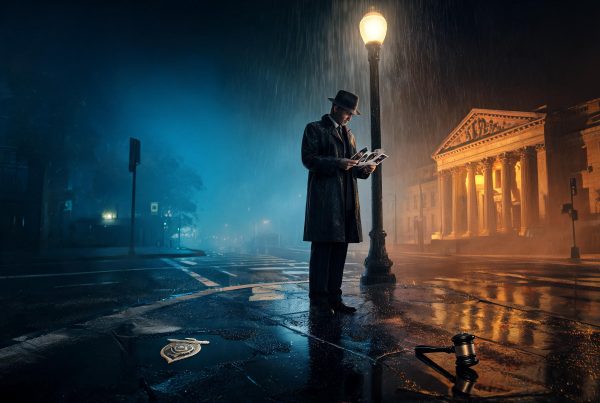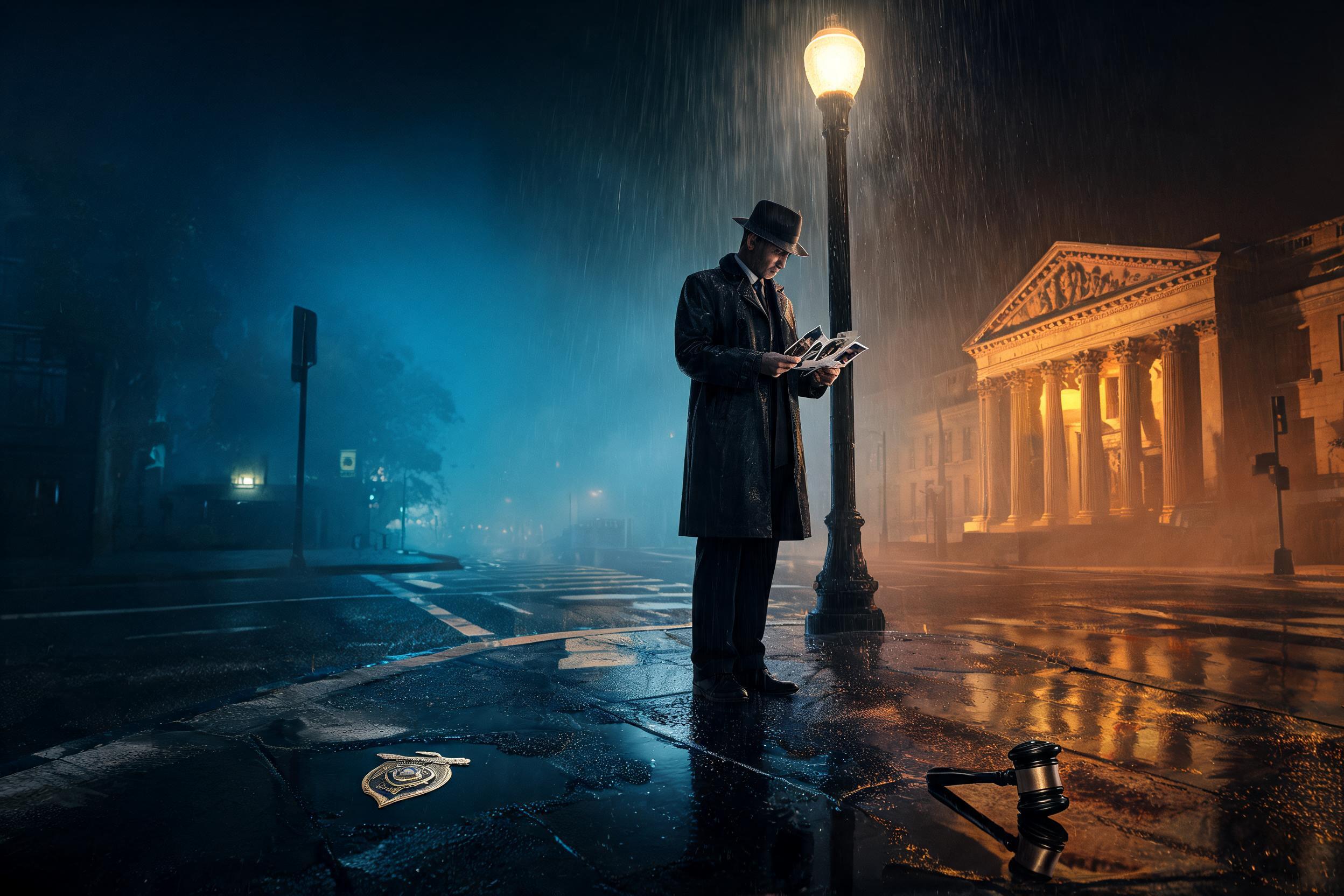
The best crime thriller book titles do not give readers an easy answer. They put a character in a corner where every choice costs something, then ask the reader to sit with that discomfort. This is what separates a justice thriller moral dilemmas story from a simple cops-and-robbers plot. This guide looks at how that complexity gets built and why it works so well on the page.
What Makes a Crime Thriller Morally Complex?
A crime thriller becomes morally complex when there is no clean answer to the central conflict. The detective bends a rule to catch a killer. The victim’s family wants revenge instead of due process. The criminal had a reason that almost makes sense.
Moral complexity is not about confusing the reader. It is about giving them two positions that both have weight, then refusing to pick a side for them.
Award-winning Author Reilly builds this kind of complexity into his fiction by grounding decisions in real medical and ethical pressure. His debut, El Chancho, won the Claymore Award for Best Thriller in 2023, partly because the moral stakes felt earned rather than added for effect.
Why Do Audiences Love Morally Ambiguous Protagonists in Crime Stories?
Readers are tired of characters who always know the right thing to do. Real people do not work that way, and fiction that pretends otherwise feels hollow.
- A morally ambiguous protagonist feels honest because their choices have a real cost
- Readers project their own uncertainty onto characters who are also uncertain
- Watching someone struggle with a decision is more engaging than watching someone who already knows the answer
A strong crime thriller book uses that ambiguity to keep readers turning pages, because they genuinely do not know what the character will choose next.
How Do Crime Thrillers Challenge the Idea of Justice?
Most crime fiction starts with an assumption that justice means catching the guilty party and seeing them punished. The best crime thrillers question that assumption directly.
What happens when the legal system cannot punish someone who is clearly guilty? What happens when punishment does not actually repair the harm caused? These books treat justice as a question worth arguing about, not a destination the plot simply arrives at.
That questioning is at the center of every justice thriller moral dilemmas, story worth reading twice.
Who Are the Best Morally Conflicted Detectives in Fiction?
Certain detectives became iconic because they struggled, not because they always got it right.
- Rust Cohle from True Detective, a man whose nihilism shapes every decision he makes on a case
- Harry Bosch from Michael Connelly’s novels, who bends procedure when he believes the system will fail a victim
- Jack Taylor from Ken Bruen’s Galway-set novels, whose addiction and guilt color every investigation
These characters work because their flaws are not decoration. The flaws actively shape how each case unfolds.
What Are Examples of Crime Stories Where the Villain Is Justified?
Some of the strongest crime fiction gives the antagonist a position that the reader can almost agree with.
In Dennis Lehane’s Mystic River, the violence at the center of the story grows out of real, accumulated grief rather than simple cruelty. In Breaking Bad, a television example often discussed alongside literary crime fiction, Walter White’s early choices come from desperation that many readers recognize in themselves.
This is also where Author Reilly’s work fits. El Chancho gives its central conflict to a protagonist whose vigilante actions come from a justified, specific wound rather than random cruelty, which keeps the reader questioning who the real villain actually is.
How Do Writers Create Moral Dilemmas in Crime Thrillers?
Writers build dilemmas by removing the easy option. A character cannot save everyone, follow every rule, and still solve the case in time. Something has to give.
- Give the character competing loyalties, like family versus the law
- Make every available option cost something real
- Withhold a clean resolution at the end of the book
A well-built crime thriller book plans these pressure points before the plot is even outlined, because the dilemma usually drives the structure rather than the other way around.
Why Do Crime Thrillers Blur the Line Between Hero and Villain?
Blurring that line keeps readers honest about their own assumptions. A protagonist who breaks the law to get a confession is not clearly a hero. A criminal who only targets people who deserve it is not clearly a villain.
That blur reflects something true about real justice systems, where good people make harmful choices and harmful people sometimes act from genuine pain. Crime fiction that respects this complexity earns more trust from readers than fiction that sorts everyone into clean categories.
What Ethical Dilemmas Do Police Characters Face in Crime Fiction?
Police characters in serious crime fiction face a specific set of recurring pressures.
- Whether to follow the procedure when the procedure will let a guilty person go free
- Whether to protect a partner who crossed a line during an investigation
- Whether the end of catching a killer justifies questionable means along the way
These dilemmas matter because they mirror real debates about policing in cities across the U.S. Crime fiction set in places like Chicago or Houston often draws directly on those tensions to make the stakes feel current.
How Do Crime Thrillers Reflect Real-World Moral Issues?
Crime fiction has always tracked the anxieties of its time. Cold War thrillers carried fear of betrayal and surveillance. Modern crime thrillers carry fear about institutional failure, about systems that protect the powerful and fail everyone else.
A justice thriller, a moral dilemma story set today, often reflects real debates about sentencing, policing, and who actually gets protected by the law. That relevance is part of why the genre keeps growing instead of feeling dated.
Who Decides What Is Right or Wrong in Crime Thrillers?
The honest answer is that the reader does. The best crime thrillers do not hand down a verdict. They present the full weight of a decision and let the reader sit with their own conclusion.
That refusal to moralize is what makes a crime thriller book feel respectful of the reader’s intelligence. Author Reilly follows this approach closely, building moral weight into El Chancho without ever telling the reader exactly how to feel about it.
Read Crime Fiction That Respects the Hard Questions
If you want a justice thriller, a moral dilemma story that takes its ethical weight seriously, Author Reilly’s El Chancho is the place to start. It is available now on Amazon, alongside his second novel, My Beloved Obsession. Visit the website to explore his full catalogue.
FAQ’s
What is a moral dilemma in crime fiction?
A moral dilemma in crime fiction is a situation where a character must choose between two options that both carry a real cost, with no option that feels fully right. These choices drive tension because the reader cannot easily predict or judge the outcome.
Why are morally complex crime thrillers more popular than simple ones?
Readers respond to honesty. A crime thriller book that admits justice is complicated feels more truthful than one that pretends every case has a clean resolution. That honesty builds trust between the reader and the story.
Where should I start with Author Reilly’s moral dilemma fiction?
Start with El Chancho. It won the Claymore Award for Best Thriller in 2023 and centers its entire plot on a justified, morally complicated act of vigilante justice. Available now on Amazon.
Do crime thrillers always need a clear villain?
No. Some of the strongest entries in the genre work specifically because the antagonist has a position the reader can partly understand. That tension is often more memorable than a clearly evil opponent.
Related Blogs And Articles